Menu

Menu

Immersive Experience

To The Stars

This dynamic image captures the motion of a vibrant yellow taxi as it moves swiftly through what seems to be an urban street at night.

Immersive Experience

To The Stars

This dynamic image captures the motion of a vibrant yellow taxi as it moves swiftly through what seems to be an urban street at night.

Project

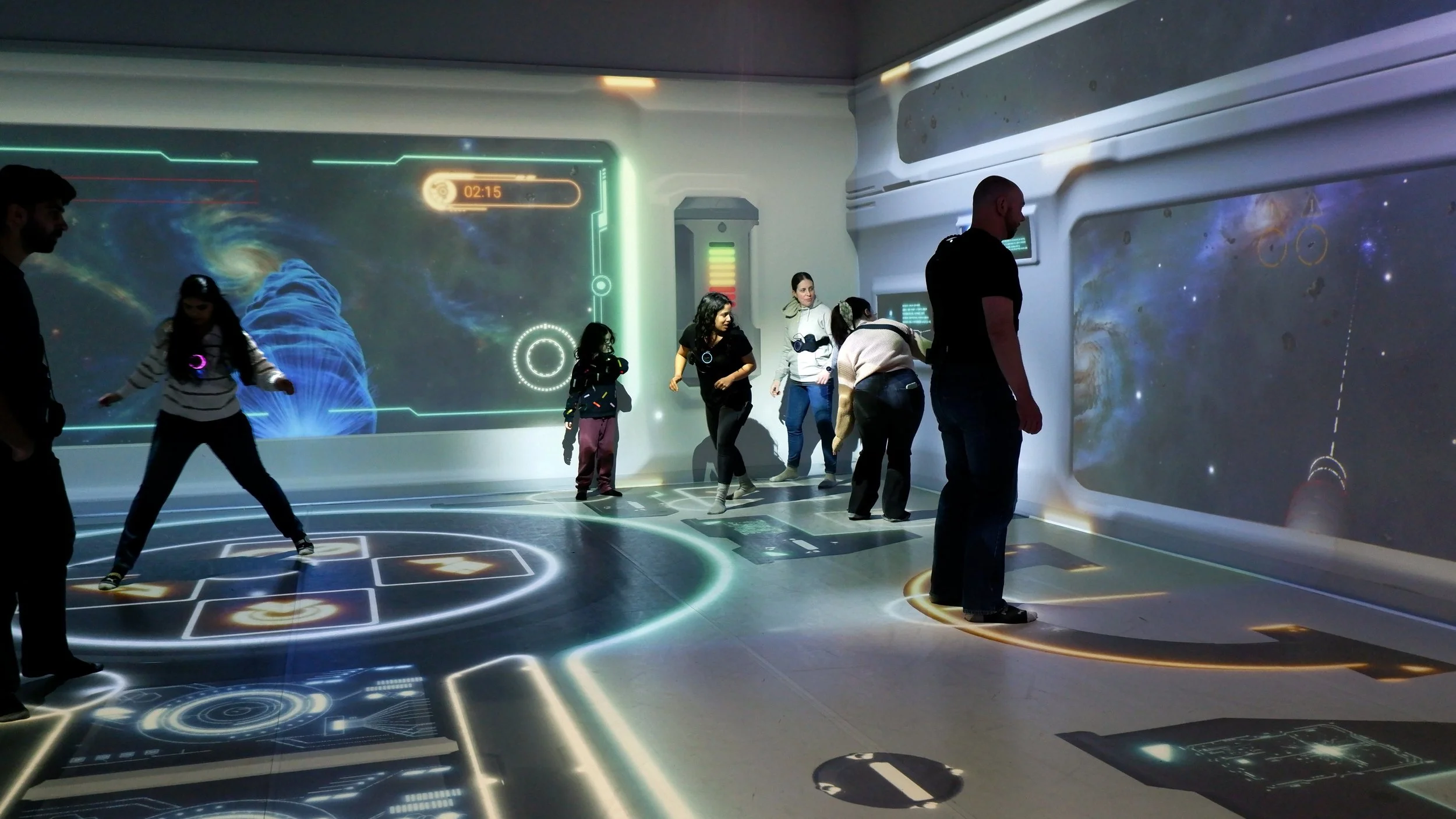
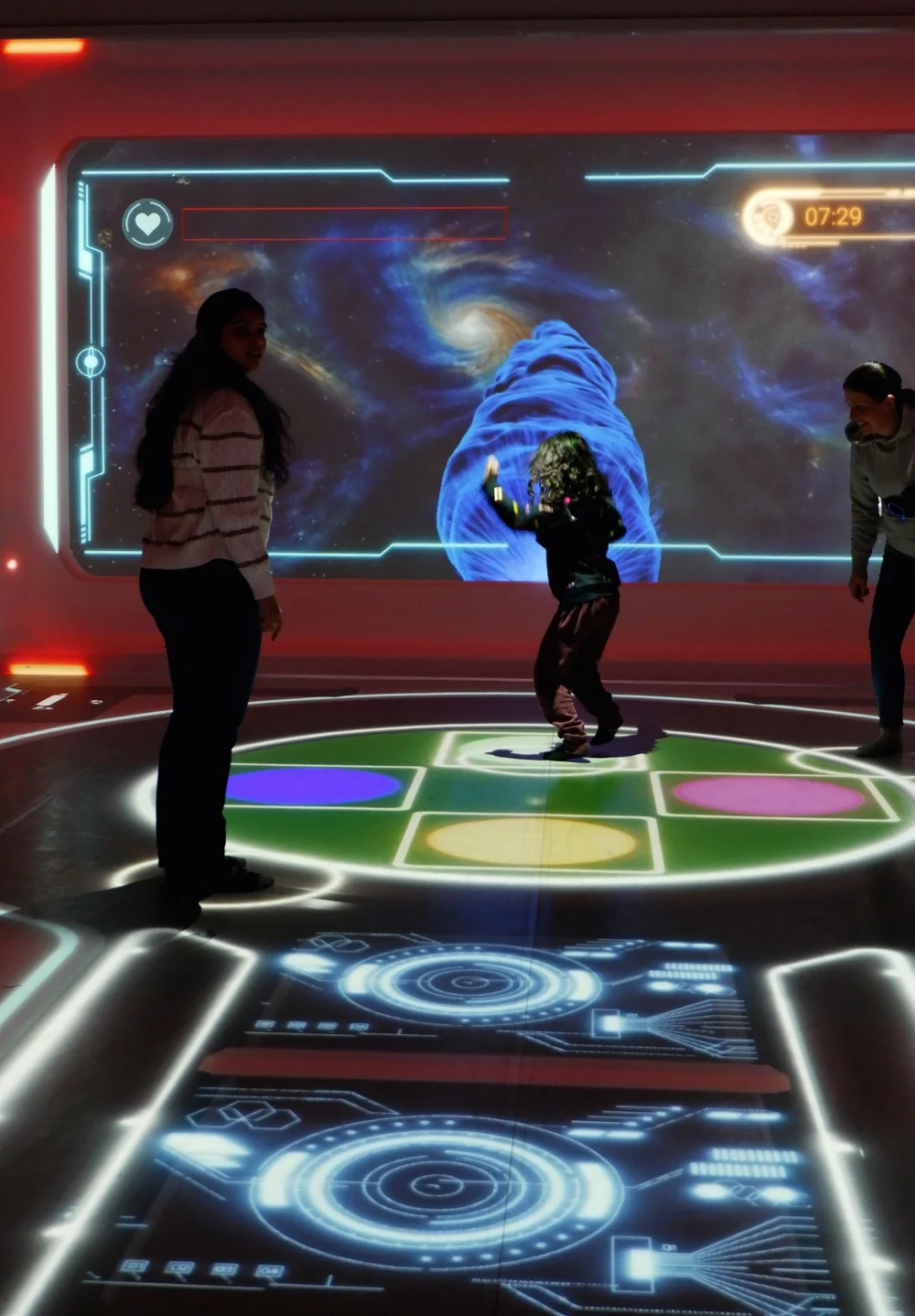
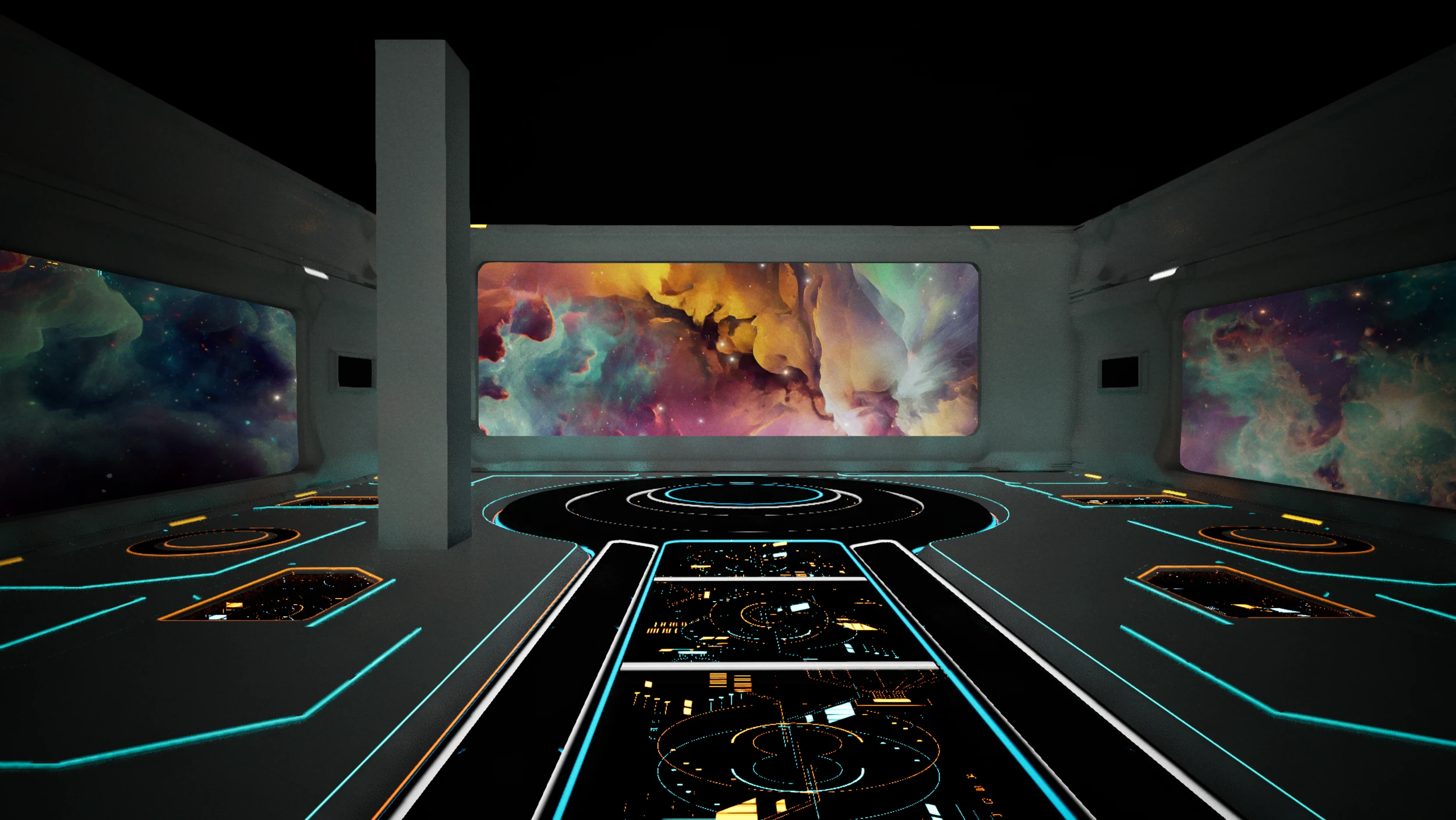
To The Stars is a location-based immersive experience that invites participants to step aboard a futuristic spacecraft with a shared mission to solve before time runs out. Set in the year 2091, the experience takes the form of a collaborative, escape-game-style journey that combines cinematic storytelling, intuitive physical interaction, and large-scale projection. Participants navigate the environment together using their bodies rather than screens or controllers, creating a playful yet reflective experience rooted in shared presence.

The project was intentionally designed in contrast to contemporary screen-based media, where algorithms optimize for speed, isolation, and individual dopamine hits. Rather than fragmenting attention, To The Stars draws people into a shared focus. The experience is built around psychological principles that support cooperation, communication, and collective problem-solving, encouraging participants — children and adults alike — to move, think, and respond together. In doing so, it offers a different model for engagement: one that prioritizes connection over consumption, and collaboration over competition.

The image features a sleek, blue car driving down an open road, surrounded by a backdrop of autumnal trees with vibrant orange and yellow leaves.


Trailer

Project

To The Stars is a location-based immersive experience that invites participants to step aboard a futuristic spacecraft with a shared mission to solve before time runs out. Set in the year 2091, the experience takes the form of a collaborative, escape-game-style journey that combines cinematic storytelling, intuitive physical interaction, and large-scale projection. Participants navigate the environment together using their bodies rather than screens or controllers, creating a playful yet reflective experience rooted in shared presence.

The project was intentionally designed in contrast to contemporary screen-based media, where algorithms optimize for speed, isolation, and individual dopamine hits. Rather than fragmenting attention, To The Stars draws people into a shared focus. The experience is built around psychological principles that support cooperation, communication, and collective problem-solving, encouraging participants — children and adults alike — to move, think, and respond together. In doing so, it offers a different model for engagement: one that prioritizes connection over consumption, and collaboration over competition.

The image features a sleek, blue car driving down an open road, surrounded by a backdrop of autumnal trees with vibrant orange and yellow leaves.


Trailer

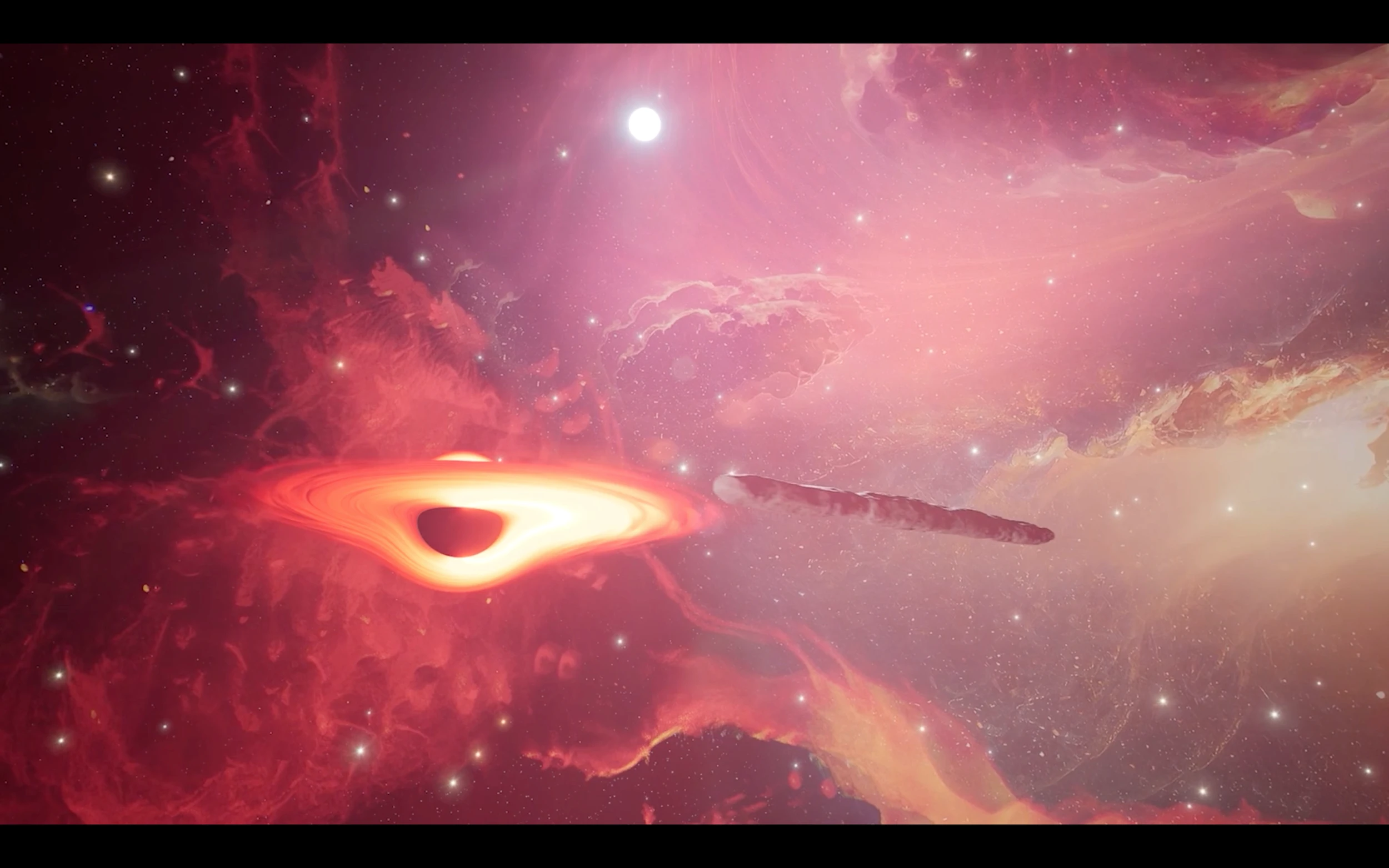
The project is part of a larger storyworld that unfolds through humor, wonder, and layered narrative reveals. As the mission progresses, lighthearted discovery gives way to deeper questions about technology, interdependence, and what is at stake as automation and efficiency increasingly shape human experience. At its core, To The Stars asks how we might design futures that strengthen connection rather than replace it.

Developed in collaboration with MAZIART Inc (Make It Immersive), the project uniquely integrated interactive haptic feedback vests, large-scale projection, and embodied gameplay. The experience was shaped in dialogue with Dr. Laurie Rousseau‑Nepton, an astrophysicist and the first Indigenous woman in Canada to earn a PhD in astrophysics, whose presence and voice anchor the project’s scientific and philosophical dimensions.

To The Stars was developed as a prototype with funding from the Canada Media Fund and is currently being expanded into something bigger. Stay tuned.